The sequel made room for an offline story
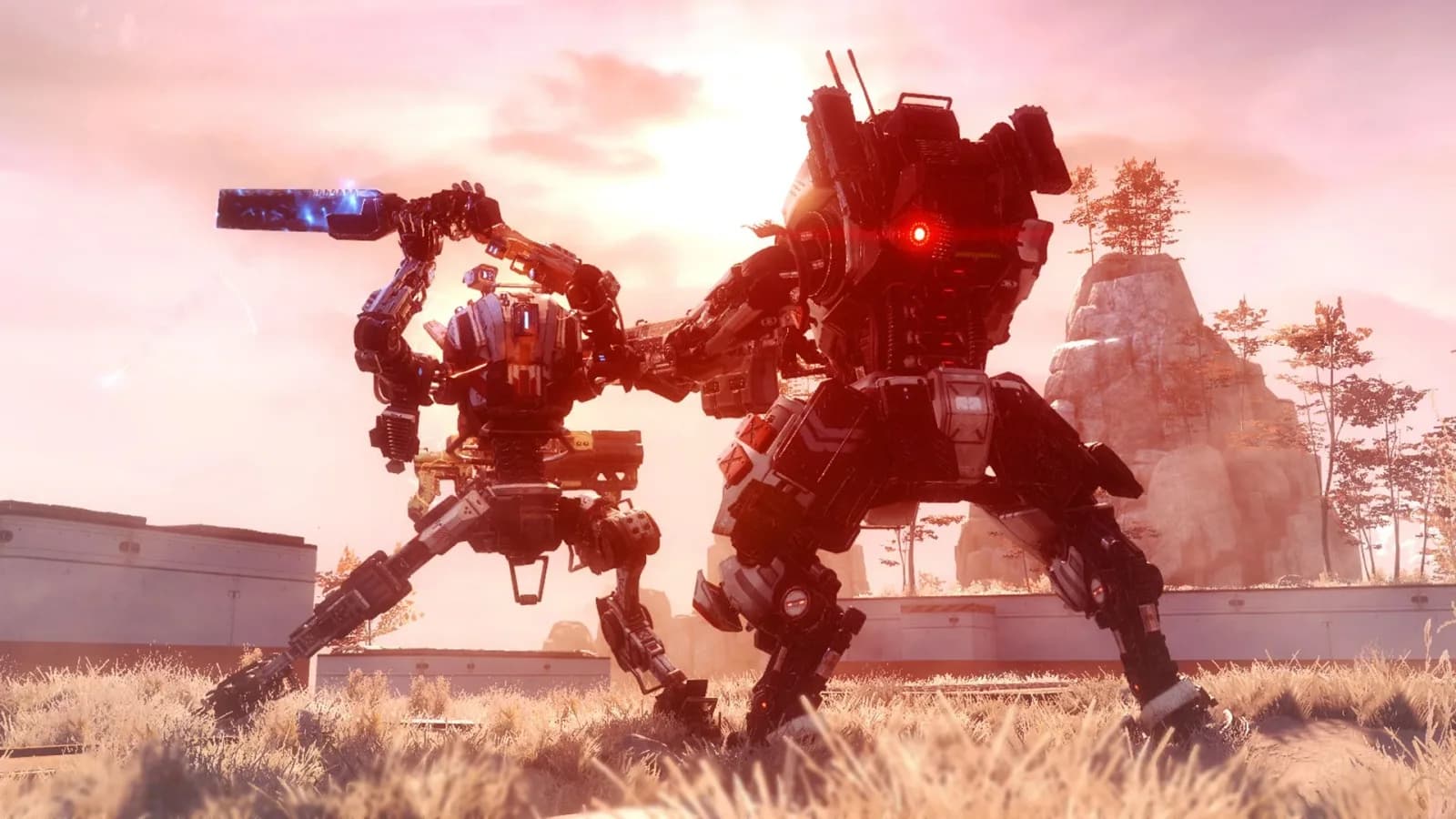
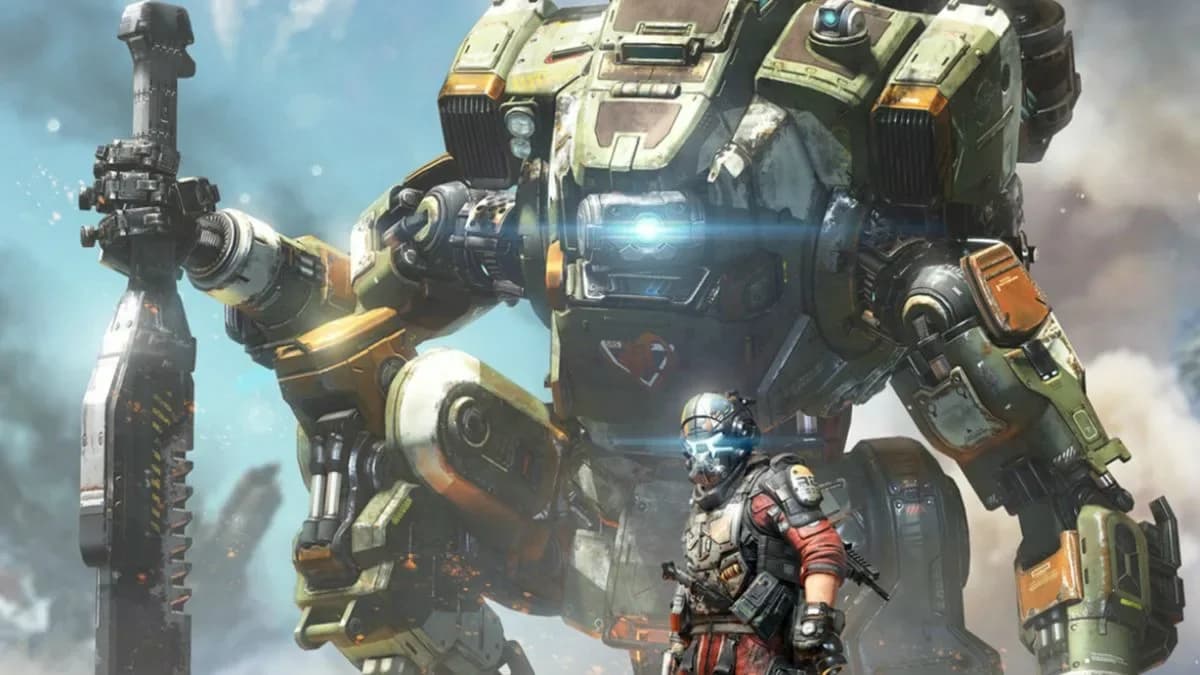
The first Titanfall tried to tell a story inside competitive matches. For the sequel, Respawn built an offline campaign around a Pilot and his Titan, BT-7274. That gave the studio time to develop their relationship between fights and room to design levels around movement challenges that didn’t have to accommodate two competing teams.
In his GamesRadar+ retrospective, Alex Spencer points to two missions that make the most of that freedom. Effect and Cause lets players switch between two timelines in the same location. Into the Abyss makes a moving factory into a wall-running obstacle course. One asks players to find a route by changing timelines; the other asks them to keep up as the route shifts around them.
A year of updates, not an indefinite commitment
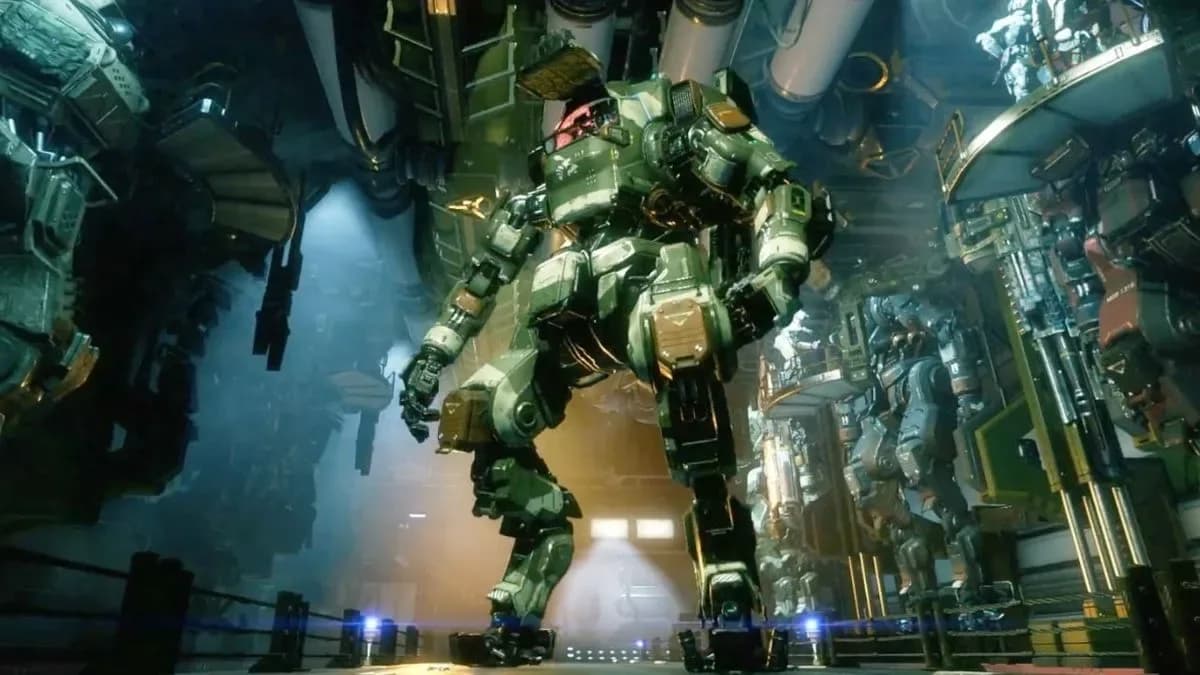
Spencer reports that six updates brought free maps, modes, weapons, cosmetics, and an additional Titan. The multiplayer menu also carried a news feed and links to paid skins. When Spencer describes the title screen in 2025, it is still announcing that the 2017 Operation Endeavor patch is live. A menu built to tell players what was new was still delivering the same news years later.
Spencer reports that online matches were still possible, though finding one could take minutes, and notes that Titanfall 2 never added crossplay. That retrospective isn’t a measure of current Xbox queue times. The offline campaign, by contrast, doesn’t need a matchmaking population.
Analysis: What survives after the updates stop
Attrition shows how much variety Titanfall 2 gets out of one set of rules. Pilots can score by taking out AI troops while working toward calling in a Titan. Once a team loses, respawns stop and an evacuation ship gives its surviving players one last objective. A match can go from a race for points to a scramble to get out alive without changing modes.
Titanfall 2 is more useful as a contrast with modern live service than as its origin story. The updates gave players reasons to return, but Respawn didn’t need to keep adding modes to make Attrition distinct. And while multiplayer still needs enough people to fill a match, the campaign was built to stand on its own from the start.
Comments
Sign in to comment